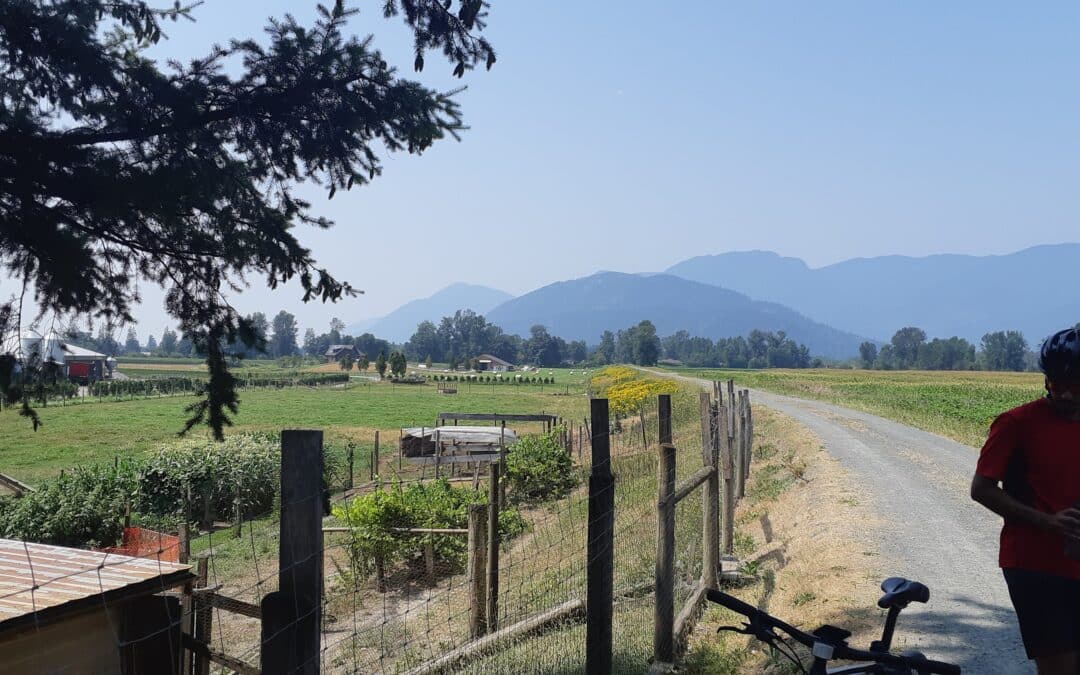
This route bypasses the more adventurous Paleface Pass route which travels through the Chilliwack River and Silver/Skagit River Valleys – and climbs over the Cascade mountain range. We recommend this bypass route for all Trans Canada Trail users from mid-October to July. Throughout the rest of the year, Paleface Pass is normally laden with snow and should only be attempted by well-prepared cross-country travelers equipped for backcountry trail riding.
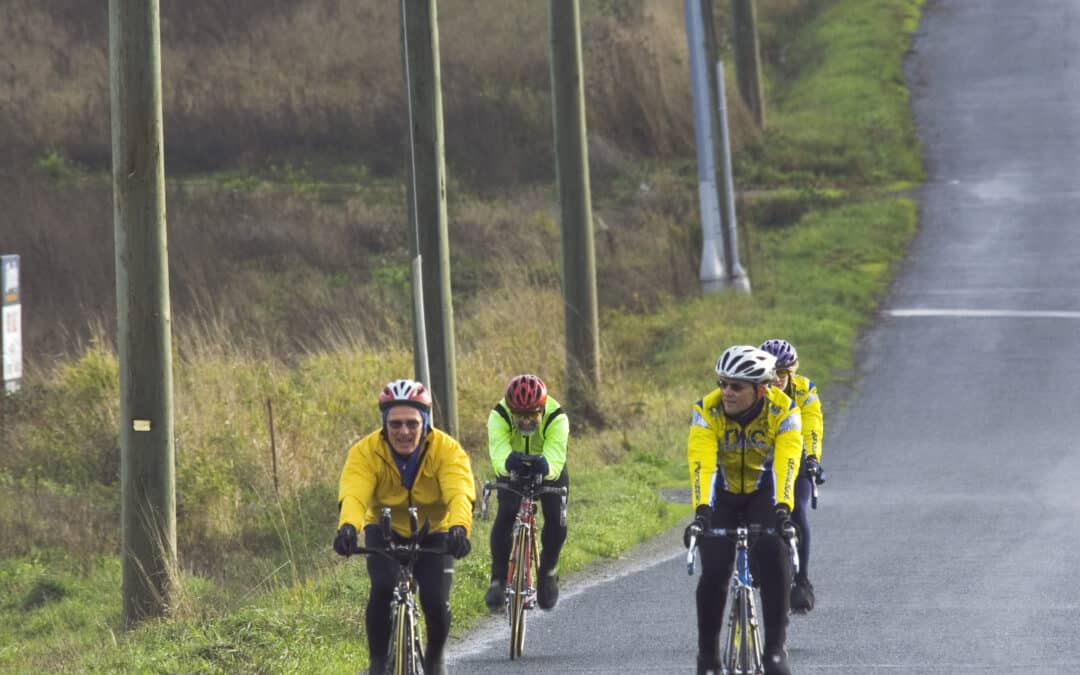
This route is a suitable alternative to traveling the Trans Canada Trail north on Vancouver Island to reach the lower mainland (Vancouver area) via the Swartz Bay-Tsawwassen ferry. Our Southwest region maps provide information on routes connecting from the Tsawwassen ferry terminal.
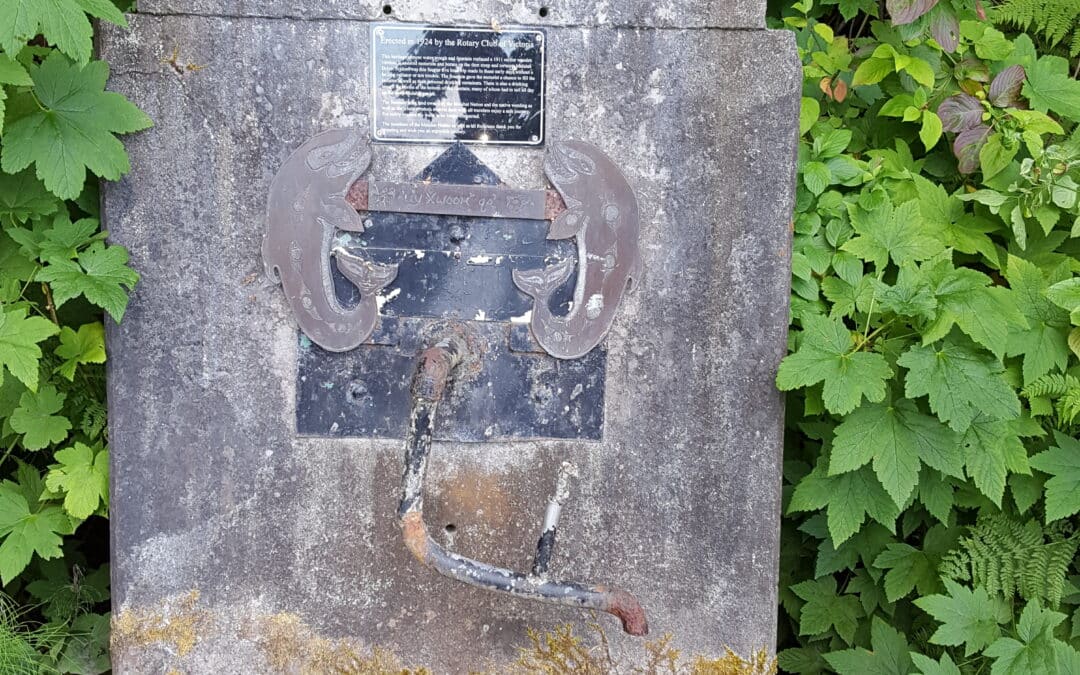
This route is an ideal route to bypass the Sooke Hills Wilderness Trail which connects the Trans Canada Trail between Capital Regional District and the Cowichan Valley Regional District.
Although the Sooke Hills Wilderness Trail is open and operational, it can be a challenging route for cyclists hauling trailers or carrying panniers – particularly those travelling from north to south. In the past, many TCT users have simply used the Trans Canada Highway from Langford to Shawnigan Lake to travel over the Malahat, but this route is quite dangerous and downright unpleasant, as highway traffic whizzes by your shoulder at speeds over 100 km/h.
Instead, for these touring cyclist users, we highly recommend this alternate route to bypass the Malahat; it is our favourite because it is an equally hiking and biking-friendly route. On the southern end it connects to the Galloping Goose nearby the Switch Bridge at the northern end of Victoria. It immediately joins with forested urban trails, such as the Colquitz River Trail, Glendale Trail and the Centennial Rail Trail north to Wallace Drive. A short section of quiet rural road takes users to Brentwood Bay.
From Brentwood Bay, a ferry (approx $8 per passenger + $2 per bicycle) can take travellers to Mill Bay, located north of the Malahat. From here, it’s almost all roadway connections to the Cowichan Valley Trail, except a shortcut that bypasses a section of the Trans Canada Highway which is quite pleasant.
Shortly after passing the north shore of Shawnigan Lake, the roadway will cross the Cowichan Valley Trail where users can continue their adventure further north along the TCT. Unfortunately, this bypass does miss a great deal of operational Trans Canada Trail along the Galloping Goose and the west shore of Shawnigan Lake, but it is most likely the safest, flattest and most effective ways of bypassing the Malahat.
An alternative to this route is to follow the Lochside Trail north to Island View Road. East Saanich Road and Stelly’s Cross Road will provide the connection to the Brentwood Bay ferry. This route uses slightly less distance on roadways and is easier to navigate, but does involve climbing over the “hump”: of the Saanich Peninsula as well as a stretch of road that is less bike friendly between the trail and Brentwood Bay. A third bypass method is travelling to Salt Spring Island (via Swartz Bay) to Crofton, but this bypasses the entire Cowichan Valley.
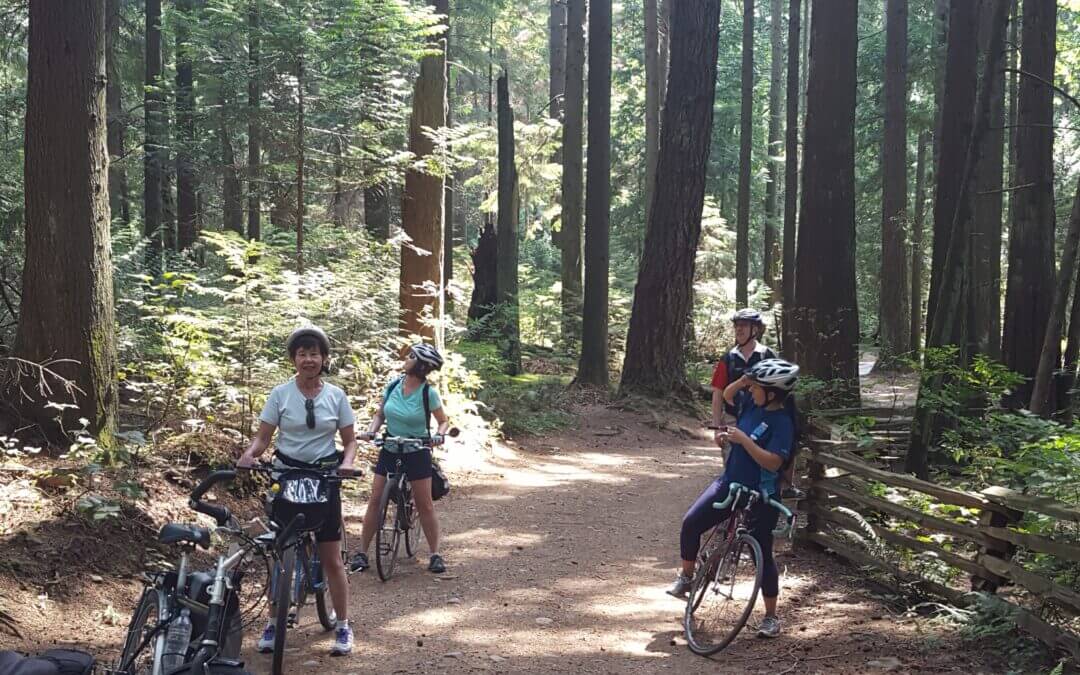
Entering from Alberta near the small community of Clayhurst, the trail follows rural roads south for 67 kms, crossing the Peace River, passing through Rolla, and arriving to Dawson Creek. At this point, the TCT joins Dawson Creek’s Rotary Trail through the city, bypassing all the city traffic. The trail route joins the Alaska Highway for most of its 968 km – through Fort St John, Fort Nelson, and various other communities before arriving to the Yukon border between Lower Post and Watson Lake – the only exception is a short detour at Kaskatinaw Provincial Park between Dawson Creek and Fort St. John; the highway bridge is narrow and the route uses the original highway bridge which lies further north.
The Alaska Highway was constructed during World War II for the purpose of connecting the contiguous U.S. to Alaska through Canada. Though the highway was completed in 1942, it was only opened to the public in 1948. The surface is now paved along its entire length.
Canada’s great open wilderness lines the road and travelers are sure to encounter some interesting wildlife. Be sure to rest up along the beautiful shore of Muncho Lake and even take advantage of the opportunity to explore some of the abandoned stretches of the “old Alaska Highway” which have been bypassed as the current highway continues to be improved and straightened over the years.
When you finally reach the border after about 1000 kilometres, there’s no doubt you’ll realize why Yukon’ers refer to the rest of the country as “the Outside”!
The Okanagan Rail Trail between Vernon and Kelowna follows, at this time, the shores of Kalamalka Lake and Wood Lake. The link along Ellison Lake is a future link presently breaking up the rail trail between Wood Lake and the Kelowna Airport.
Rail trail from Vernon to end of finished trail – 29.5k (about 60k there and back)
Rail trail along Kalamalka Lake – 17.5k
Rail trail along Wood Lake – 8.6k
Alternate along Wood Lake – 8.8k
Once the 5.8k connection along Ellison Lake is completed the full length of the Okanagan Rail Trail from Vernon to Kelowna will be about 46k in length.
In Kelowna it is really worthwhile doing the loop that takes in the Mission Creek Greenway and Okanagan Lake. The latter offers interesting greenway features along with other amenities of interest.
This greenway trail loop – 23k add 6.4k if you include the alternate further up Mission Creek.
Rail trail in Kelowna – 10.8k (add 7.3k when including the University Loop).


Recent Comments