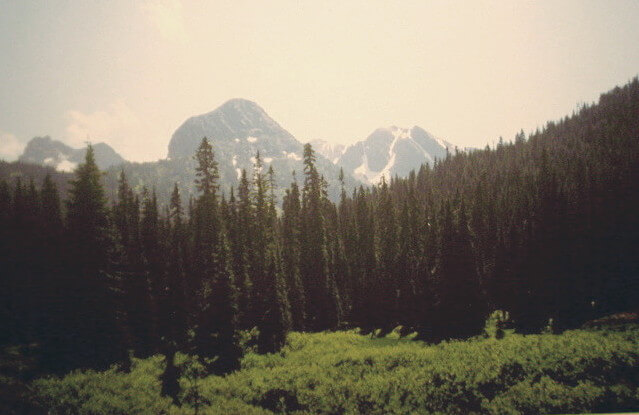
This will be a rewarding experience for those of you who are experienced with the backcountry. At this time, the trail takes in quite a bit of roadway. Even if there are efforts being made to take this whole trail off Ministry of Highways roads (about 13 km at this time), the route will likely always include a substantial amount of former Forest Service Roads and a few active ones.
These alternatives to the main route of the TCT give options to equestrians and hikers only. Because of high elevations, the season for these trails starts at about the second week in July to about the second week in October. The trip from Chilliwack Lake is between 5 to 7 days of wilderness and alpine trekking. Chilliwack Lake Provincial Campground to Coalmont is about 126 km via Paleface Pass and about 120 km via Greendrop Lake. Subtract 10 km if you don’t take the Granite Mountain route. Support with vehicles can be provided along the Silver Skagit Rd (Upper Silverhope and Skagit River trailheads) and Highway 3 (Sumalo and Cascade trailheads). 4W drives can make it to Lodestone Lake from Coalmont but beyond that, it may not be possible. While there are campgrounds along the way, be prepared for wilderness camping.
Generally, hikers have three options from Chilliwack to Coalmont on the KVR:
- Go over Paleface Pass and follow the main TCT route described in Chilliwack-Silverhope to Hope (note that cyclists are recommended to take a different option via Hwy 7 to Hope from Chilliwack)
- Go over Paleface Pass and head for Coalmont via the Skagit and Cascade Trails
- Take the Centennial Trail via Greendrop and Hicks Creek and head for Coalmont via the Skagit and Cascade Trails.
- This route offers camping at Lindeman and Greendrop Lakes in the Pass. Both these Lakes are in the Chilliwack Lake Provincial Park. The lakes themselves are quite beautiful, especially Greendrop Lake viewed from the trail above the lake.
- At the east end of Greendrop Lake is the start of the Hicks Creek FSR trail. Unfortunately, the top part of this FSR has been decommissioned for 7 km and as of 2014 it has become impassable. Hence it would be quite a slog for 7 kilometers. Watch for a TCT sign going south about 1 km before reaching the Silver Skagit Road.
Equestrians really only have one option and that is to go over Paleface Pass and head for Coalmont via the Skagit and Cascade Trails.
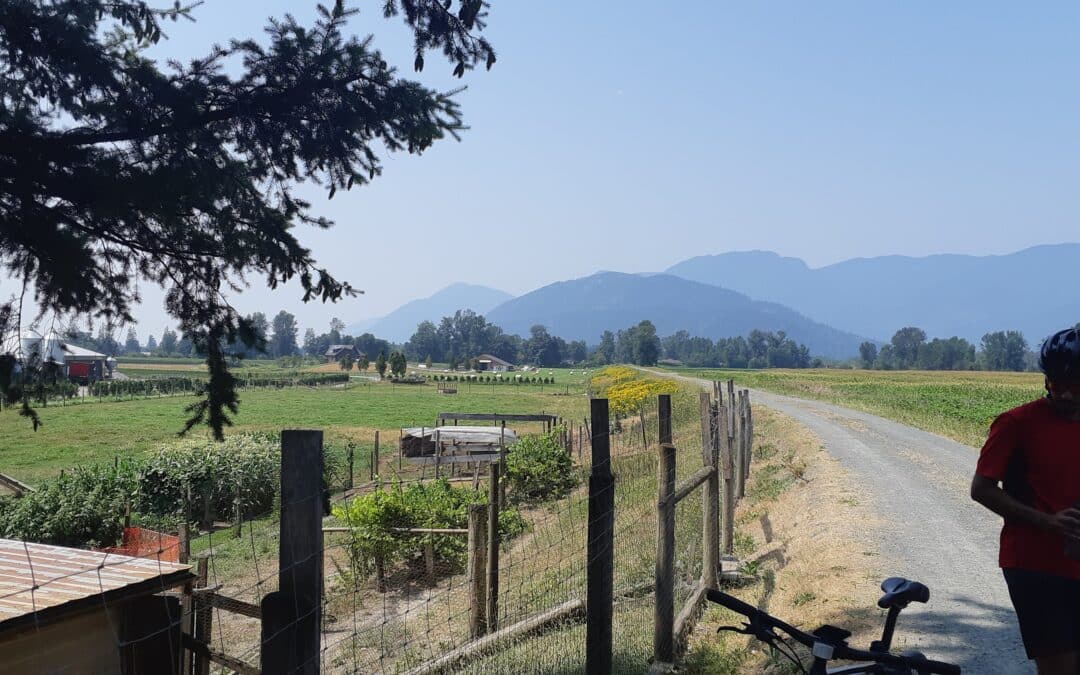
This route bypasses the more adventurous Paleface Pass route which travels through the Chilliwack River and Silver/Skagit River Valleys – and climbs over the Cascade mountain range. We recommend this bypass route for all Trans Canada Trail users from mid-October to July. Throughout the rest of the year, Paleface Pass is normally laden with snow and should only be attempted by well-prepared cross-country travelers equipped for backcountry trail riding.
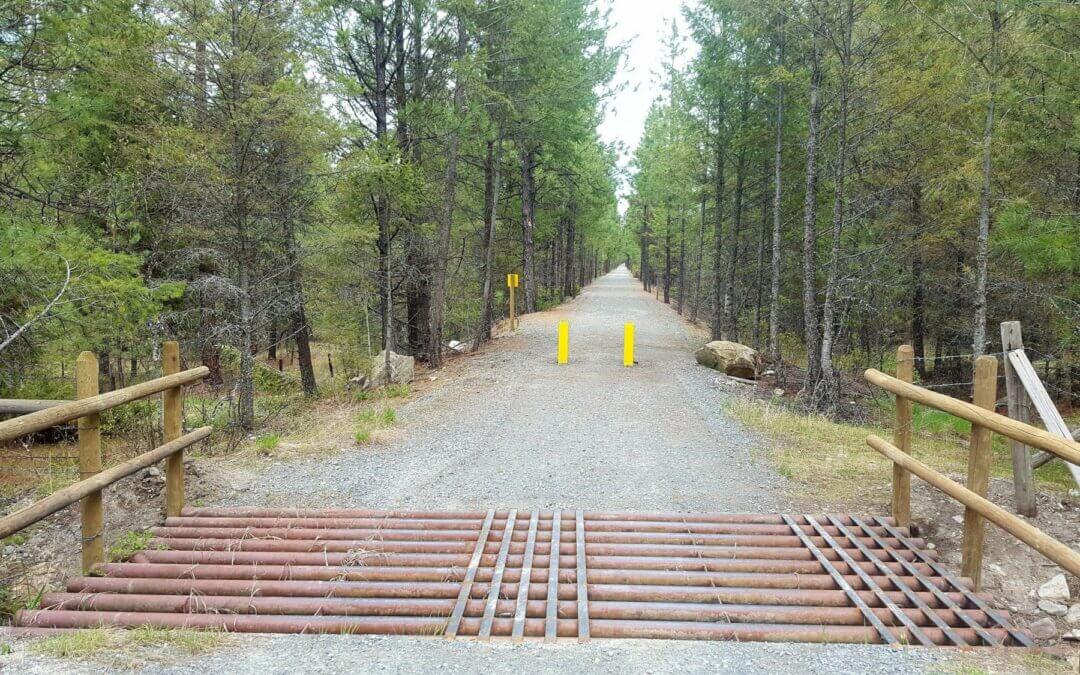
The Chief Isadore Trail from Cranbrook to Wardner has a packed gravel surface, which is half on old Rail Grade and half new trail. A 17-km “Mayook Trail” section is a new trail with enhanced single track, 1.3 metre width, with a sustained 5% grades with some short sections up to a 10% grade.
Do a loop adventure! Rampart Rest Area Loop, 6.5 km: The Rampart Loop is a family cycling or hiking loop. It begins (and ends) at the Rampart Rest Area on Highway #3. On a bike, ride the trail in a clockwise direction starting from the restroom because it is an even climb. After 2.1 km – turn right (west) onto the rail grade trail (this is an intersection with a new road). Hike or bike the rail grade west for 2.7 km. Turn right at a kiosk sign and head back to the rest area by the pond.
Mountain Bikers – try the Mayook Trail! With 17 km of trail, Mountain bikers (intermediate level) will love the fun ride along lower flanks of Mount Baker on a 1.3-metre-wide gravel trail. Elevation gain is 200 metres on well-made switchbacks and gradual grades. Begin from either the Ha-Ha Creek Road or the Pritchard Road Trailheads
Looking for a scenic 21 km loop that includes rural paved roads? Try the Ha-Ha Creek Road Loop Ride, with a stop in Wardner! Start from the trailhead at Ha-Ha Creek Road (the junction between the Mayook Trail and the Wardner Trail sections) and ride the rural paved Ha-Ha Creek Road around to Wardner, then complete the loop by riding back along the old rail grade of the Chief Isadore Trail.
The Chief Isadore Trail is a public recreation trail within active forest, range, and grassland. You may encounter livestock (May to October) and /or wildlife year round. Please do not approach livestock or wildlife. Logging may also take place near the trail. Deer and elk hunting season begins in September and throughout autumn
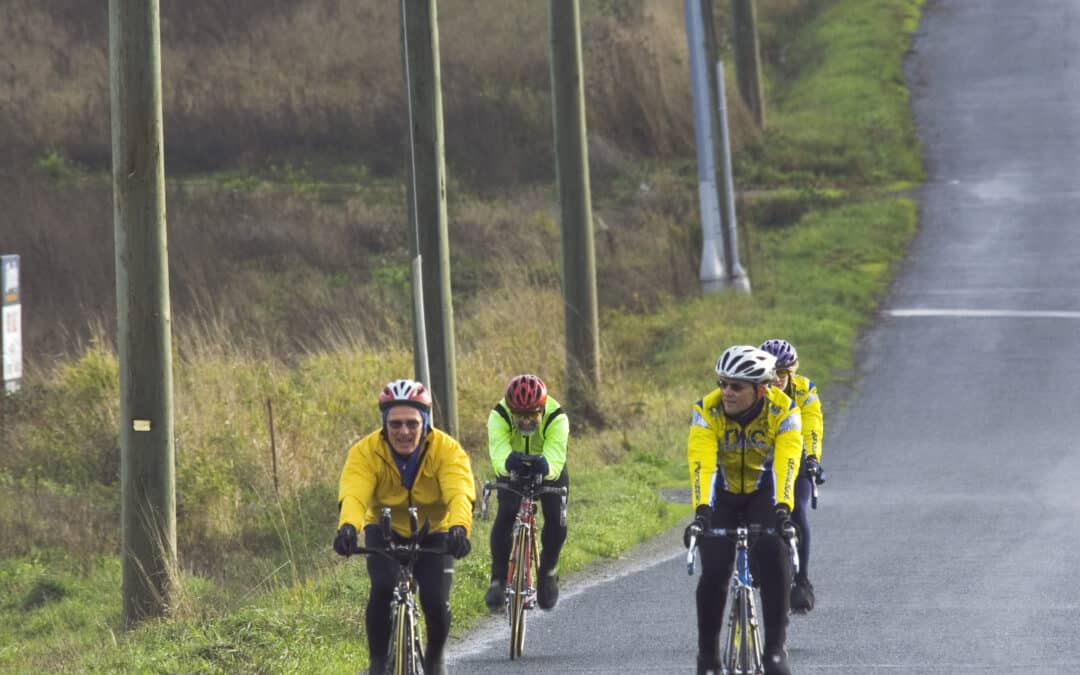
This route is a suitable alternative to traveling the Trans Canada Trail north on Vancouver Island to reach the lower mainland (Vancouver area) via the Swartz Bay-Tsawwassen ferry. Our Southwest region maps provide information on routes connecting from the Tsawwassen ferry terminal.
This route is an ideal route to bypass the Sooke Hills Wilderness Trail which connects the Trans Canada Trail between Capital Regional District and the Cowichan Valley Regional District.
Although the Sooke Hills Wilderness Trail is open and operational, it can be a challenging route for cyclists hauling trailers or carrying panniers – particularly those travelling from north to south. In the past, many TCT users have simply used the Trans Canada Highway from Langford to Shawnigan Lake to travel over the Malahat, but this route is quite dangerous and downright unpleasant, as highway traffic whizzes by your shoulder at speeds over 100 km/h.
Instead, for these touring cyclist users, we highly recommend this alternate route to bypass the Malahat; it is our favourite because it is an equally hiking and biking-friendly route. On the southern end it connects to the Galloping Goose nearby the Switch Bridge at the northern end of Victoria. It immediately joins with forested urban trails, such as the Colquitz River Trail, Glendale Trail and the Centennial Rail Trail north to Wallace Drive. A short section of quiet rural road takes users to Brentwood Bay.
From Brentwood Bay, a ferry (approx $8 per passenger + $2 per bicycle) can take travellers to Mill Bay, located north of the Malahat. From here, it’s almost all roadway connections to the Cowichan Valley Trail, except a shortcut that bypasses a section of the Trans Canada Highway which is quite pleasant.
Shortly after passing the north shore of Shawnigan Lake, the roadway will cross the Cowichan Valley Trail where users can continue their adventure further north along the TCT. Unfortunately, this bypass does miss a great deal of operational Trans Canada Trail along the Galloping Goose and the west shore of Shawnigan Lake, but it is most likely the safest, flattest and most effective ways of bypassing the Malahat.
An alternative to this route is to follow the Lochside Trail north to Island View Road. East Saanich Road and Stelly’s Cross Road will provide the connection to the Brentwood Bay ferry. This route uses slightly less distance on roadways and is easier to navigate, but does involve climbing over the “hump”: of the Saanich Peninsula as well as a stretch of road that is less bike friendly between the trail and Brentwood Bay. A third bypass method is travelling to Salt Spring Island (via Swartz Bay) to Crofton, but this bypasses the entire Cowichan Valley.


Recent Comments